
Field Notes
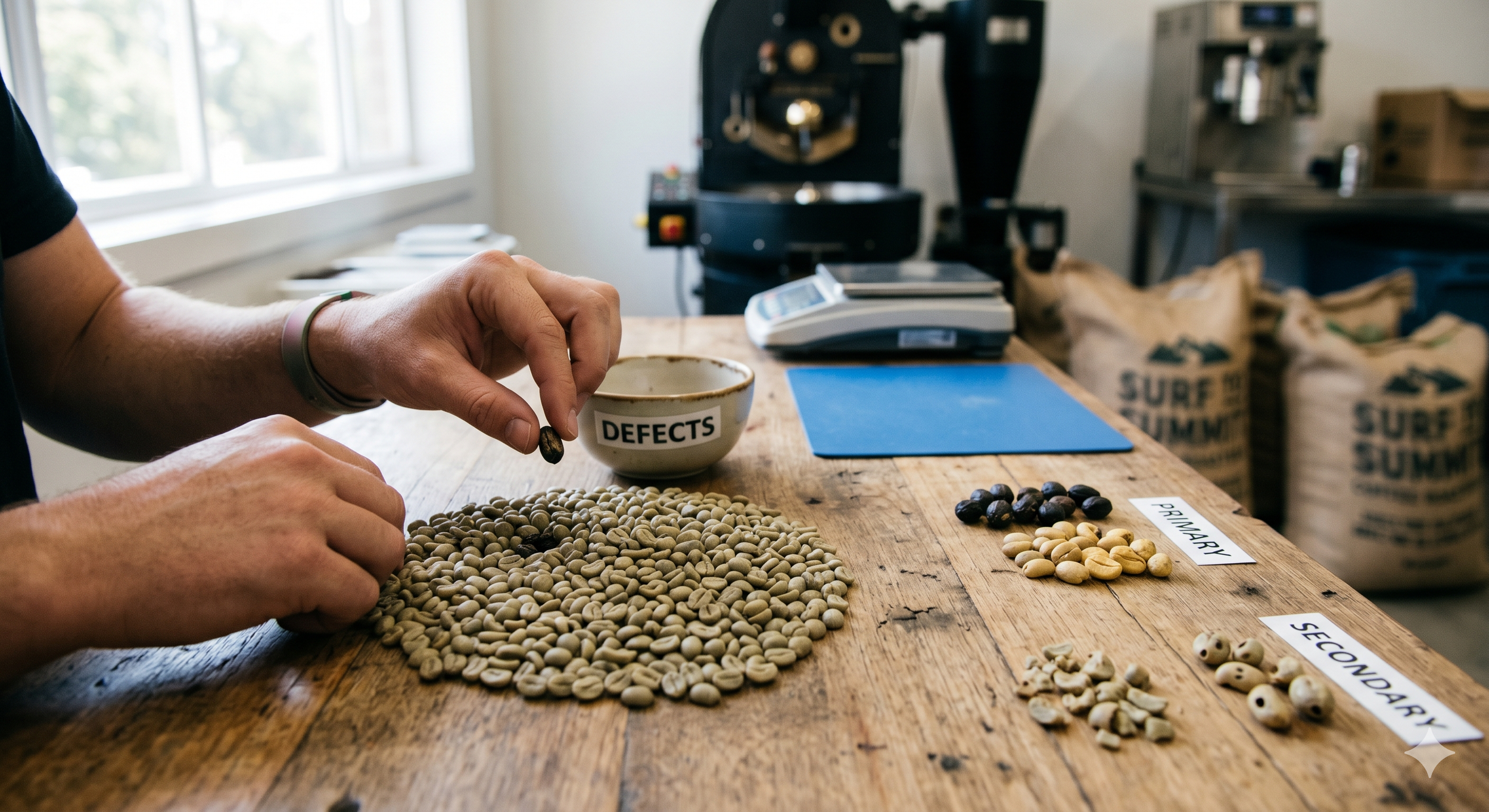
Coffee Defects Explained: What Lowers a Coffee’s Grade?
Ever wonder what separates a specialty coffee from a standard cup? It all comes down to the defects. From severe flaws like sour beans to minor issues like slight discoloration, we’re breaking down the difference between primary and secondary coffee defects, how they impact grading, and why meticulous sorting is essential before roasting ever begins.
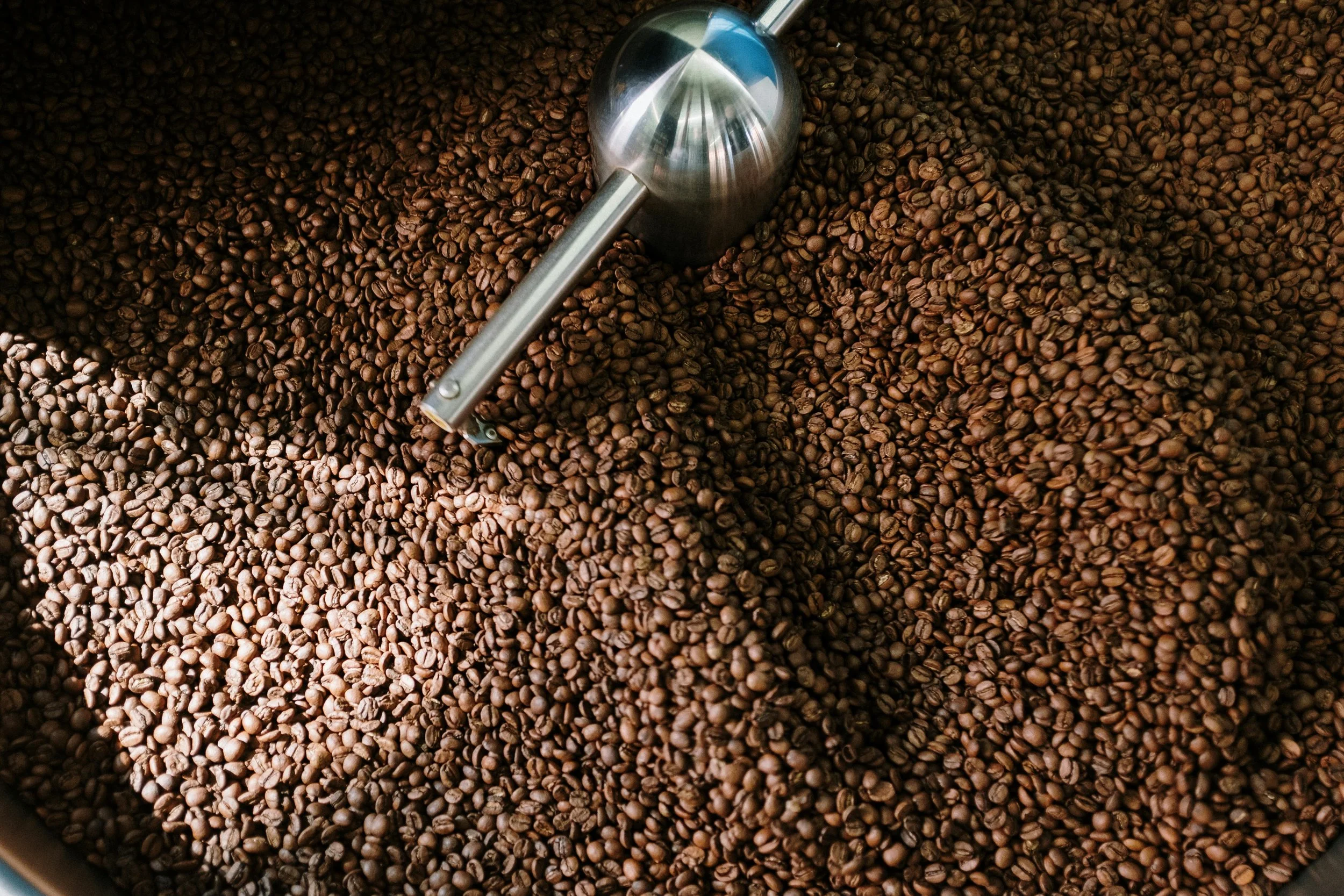
The Science of Patience: Why Your Coffee Needs to Rest After Roasting
Fresh is best… usually. But did you know that brewing coffee the moment it leaves the roaster can actually mask its best flavors? From the chemistry of degassing to finding the 'sweet spot' for espresso vs. drip, we’re breaking down exactly how long you should wait to brew your favorite Surf to Summit beans for peak flavor.
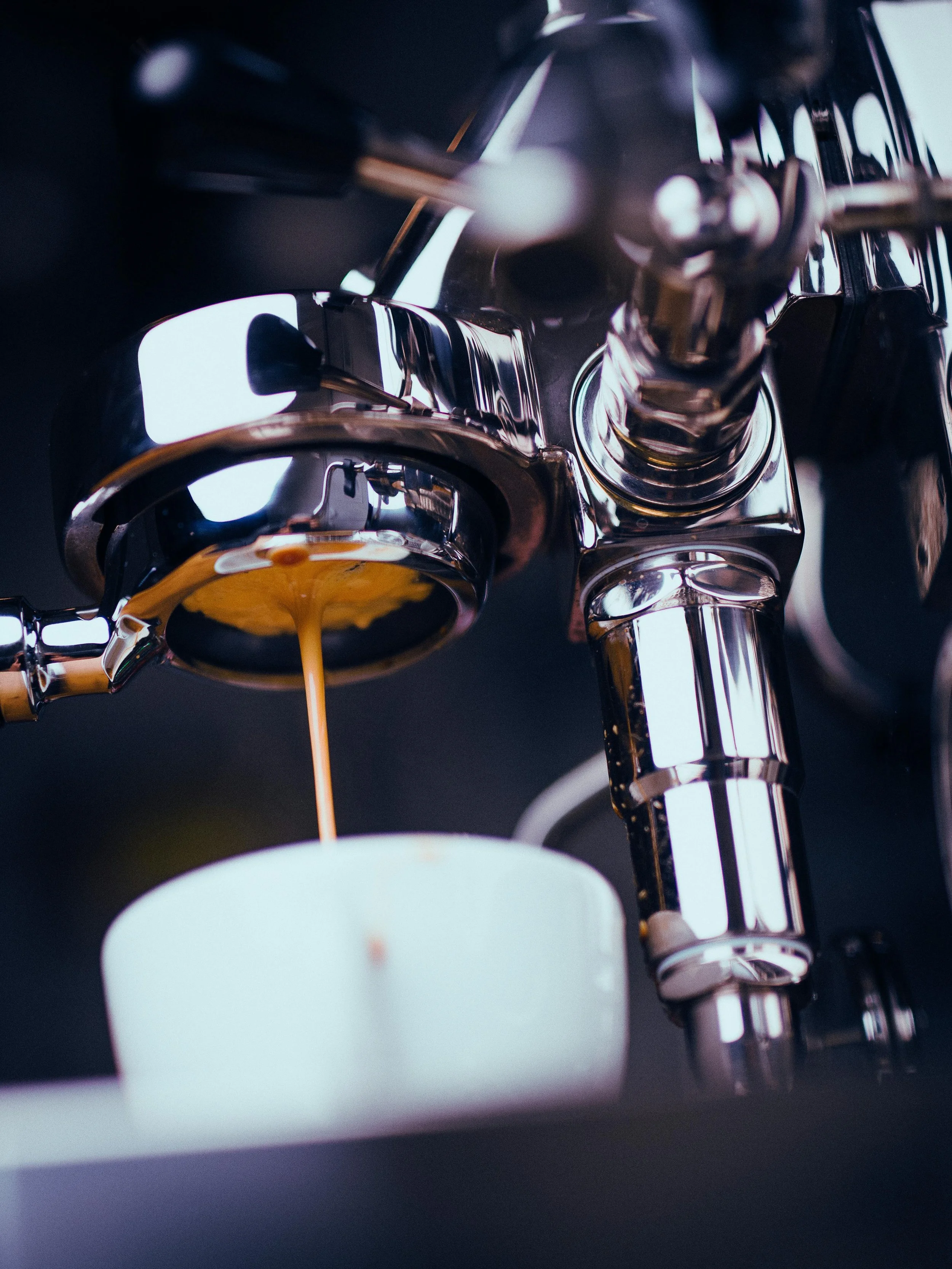
The Flow and the Force: Mastering Pour-Over and Espresso at Home
Struggling with a bitter brew or a watery espresso? It’s all in the "dialing in." Dive into our comprehensive guide on pour-over techniques and espresso science. We break down the importance of the bloom, the ideal temperature for extraction (200°F is the magic number!), and how a simple grind adjustment can transform your S2S beans from "okay" to "outstanding."
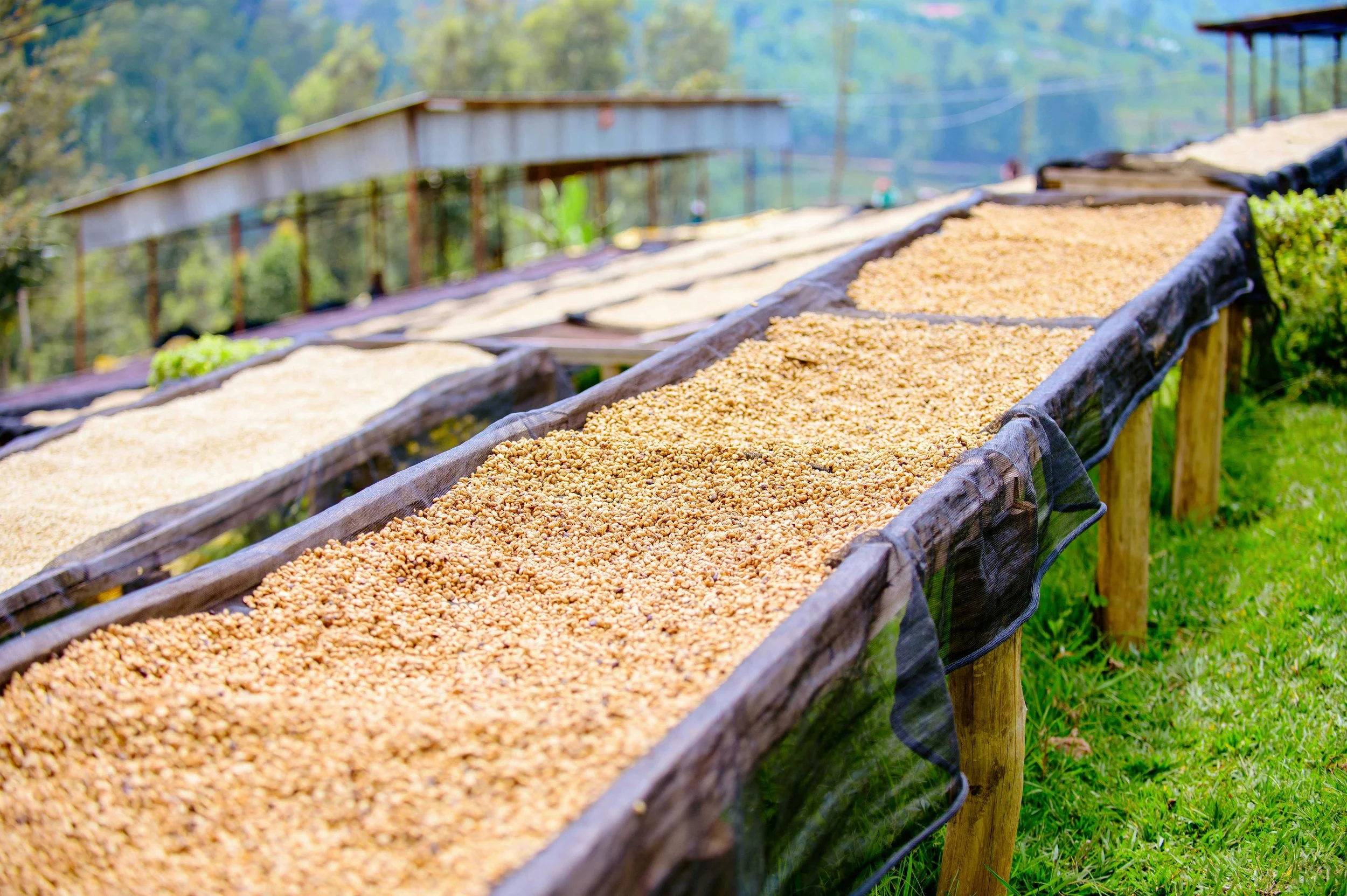
From Green to Gold: The Art and Science of the S2S Roasting Process
Ever wonder how a hard, grassy-smelling green seed transforms into the aromatic "liquid gold" in your mug? At S2S Coffee Roasters, roasting is where chemistry meets the intuition of an artist. Dive behind the scenes of our specialty process, from the heat of the Maillard reaction to the precision of the "First Crack," and see how we unlock the hidden flavors of the world’s best beans.
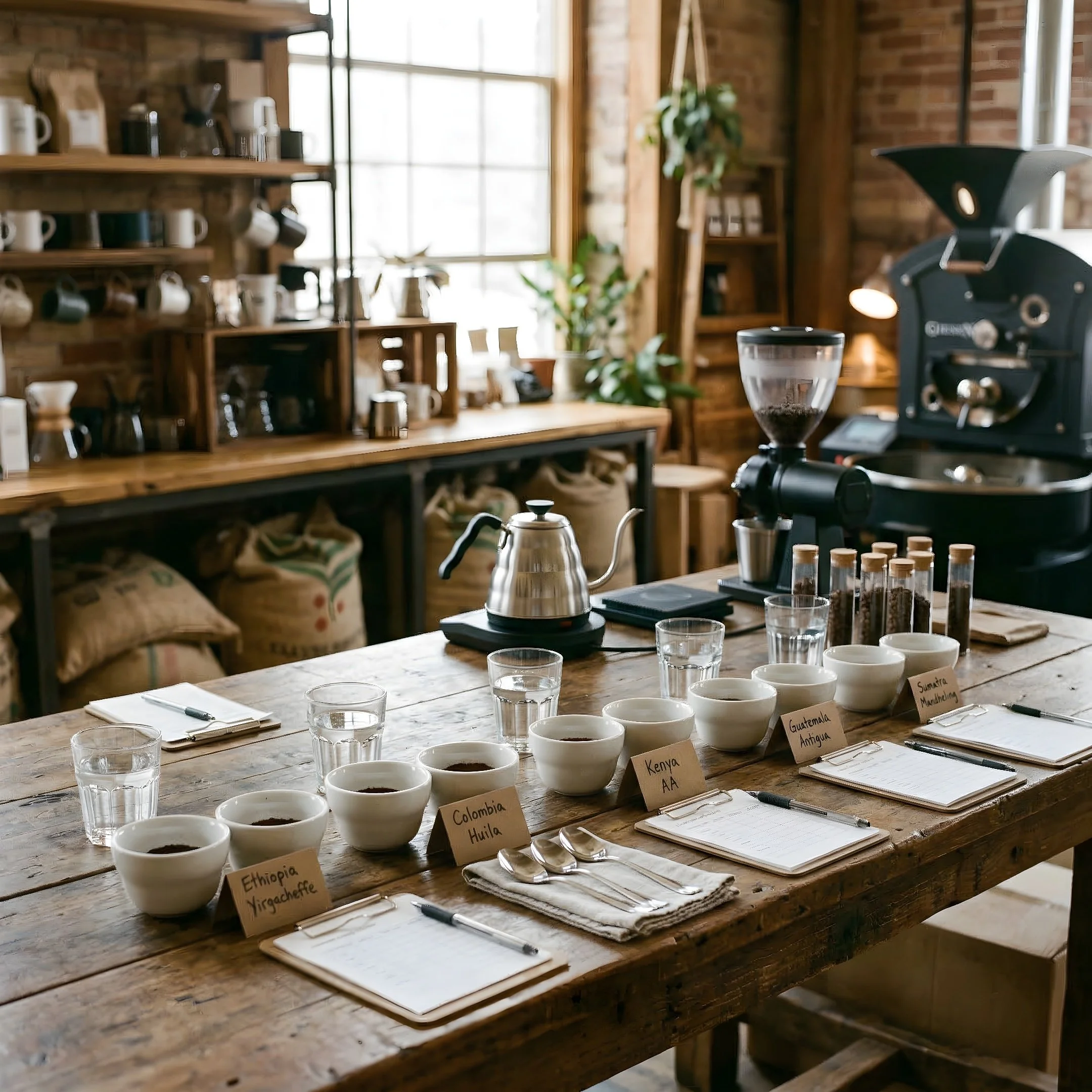
The Science of the Slurp: How Coffee Professionals Actually Grade Your Morning Brew
Coffee cupping is the industry’s universal tasting method, a controlled way to evaluate coffee fairly and consistently across origins, harvests, and roast profiles. Instead of brewing for personal preference, cupping removes variables by standardizing dose, grind, water temperature, and steep time. Evaluators smell the dry grounds, pour hot water, then “break” the crust that forms on top to capture the coffee’s most concentrated aromatics. After skimming the surface, they taste with a spoon and slurp to spread the coffee evenly across the palate, scoring key attributes like aroma, flavor, acidity, body, sweetness, balance, and any defects. This repeatable process is what makes the 100-point system credible, and it is how professionals determine whether a coffee truly meets specialty grade standards.
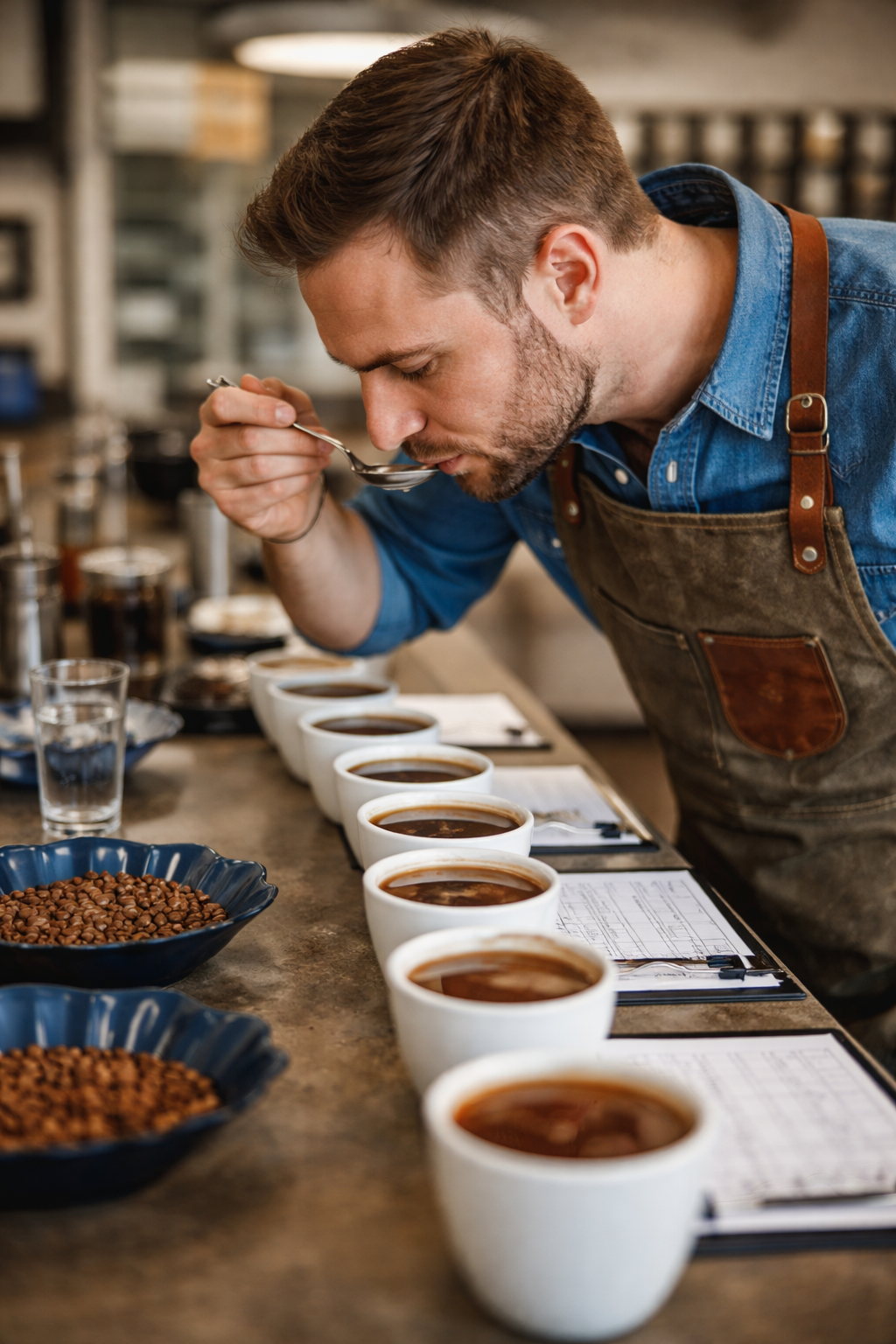
What Is a Q Grader? The Coffee Industry’s Quality Expert
A Q Grader is a specialty-coffee quality expert, trained to evaluate coffee using standardized cupping and defect-grading protocols. Their scores help determine whether a coffee earns “specialty” status (80+ points), keeping quality consistent from origin to roaster to your cup.
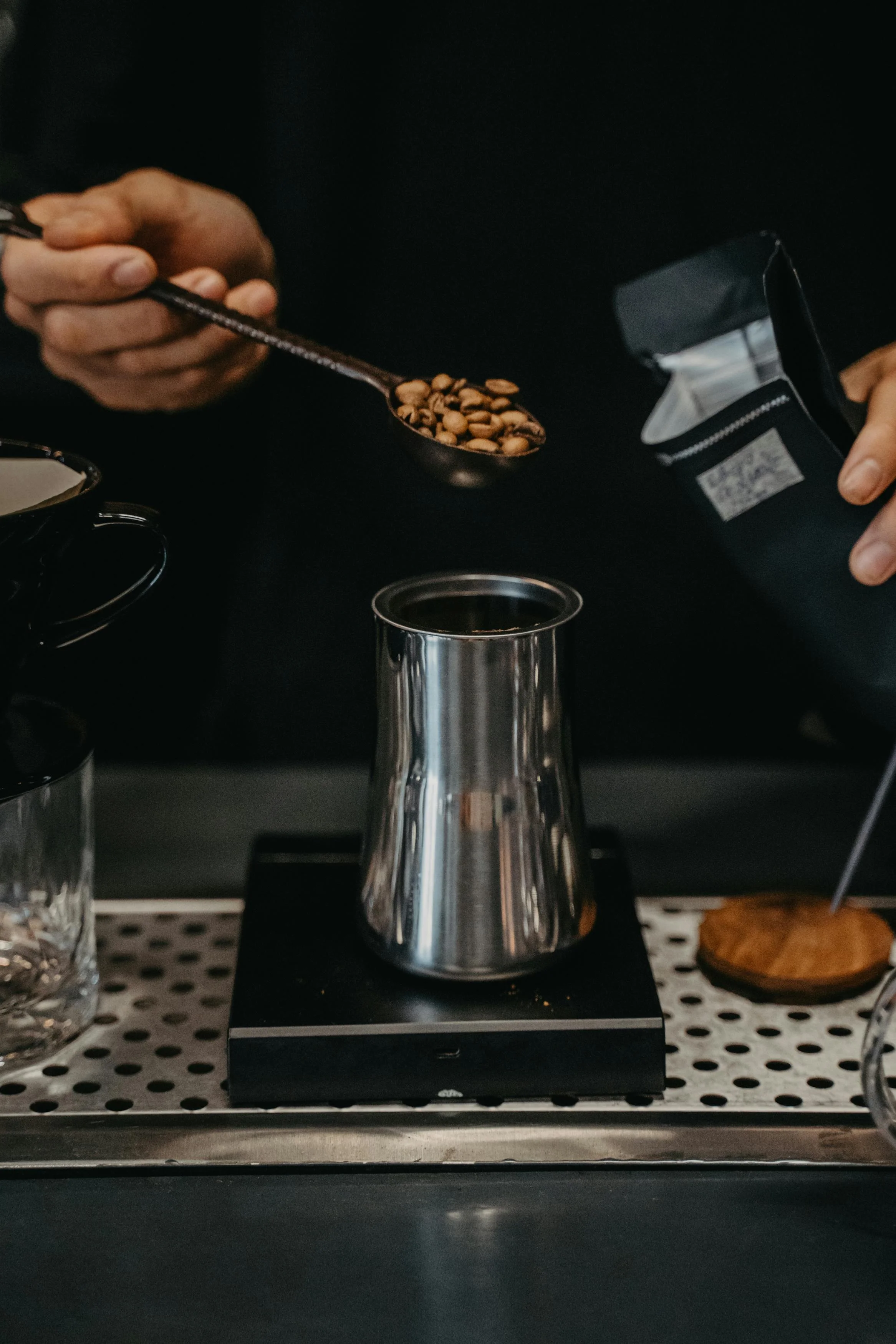
Specialty Coffee Definition: The Industry Standard Explained
Specialty coffee has a real, measurable definition, and it’s not just marketing.
In the professional coffee world, “specialty” means a coffee scores 80 points or higher (out of 100) under standardized evaluation protocols. That score reflects what trained tasters and graders can verify: aroma, flavor, acidity, body, balance, sweetness, uniformity, cleanliness, and critically, the absence of major defects in the green coffee. If it doesn’t meet that threshold, it isn’t specialty grade.
Everything else people associate with specialty coffee, traceability, lighter roasting, single-origin lots, and producer stories builds on that foundation. The specialty label starts with quality you can cup, score, and repeat.
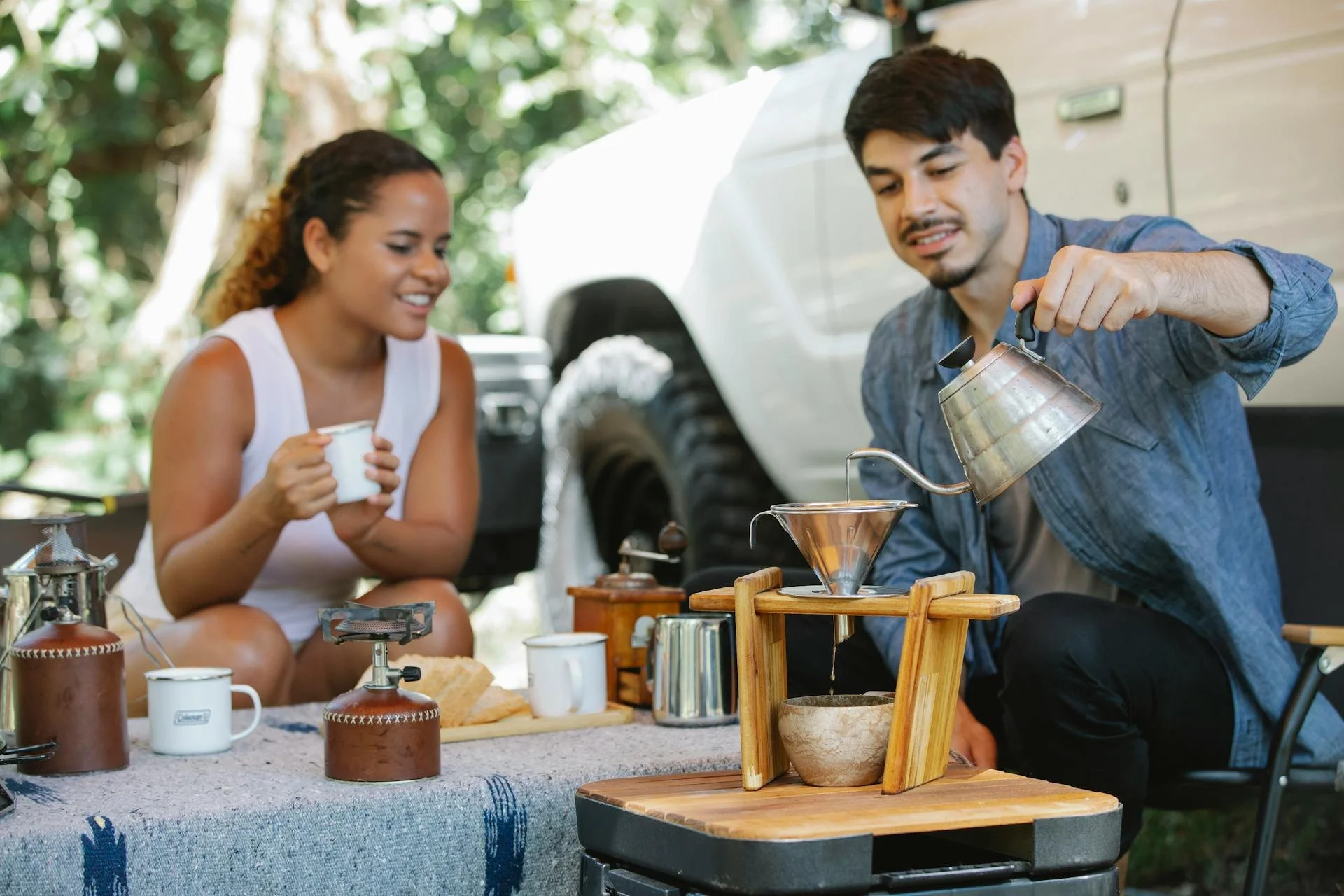
The Longevity Ritual: Why Your Home Brew is a Biological and Social Ally
Recent findings suggest that coffee acts as a "dual-shield," protecting your heart through community and your cells through chemistry.

Health Benefits of Coffee: 15 Plus Science Backed Reasons to Drink It Daily
Discover the top health benefits of coffee, from boosting energy and brain function to supporting heart health and lowering the risk of several chronic diseases. Learn why coffee is more than just a morning ritual.
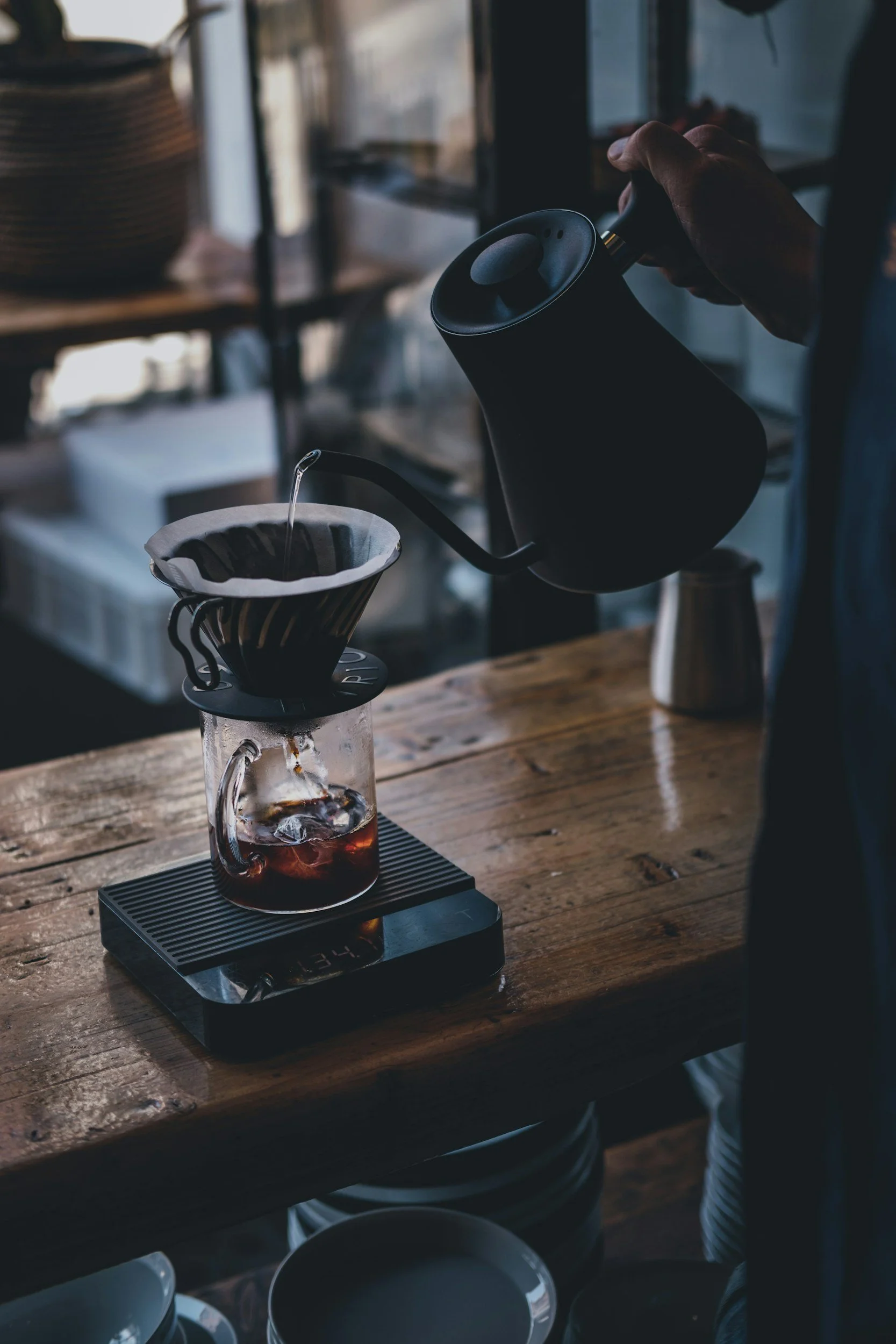
Third Wave Coffee: A Complete Guide to the Future of Coffee Culture
Third wave coffee treats coffee like an art form instead of a basic caffeine fix. Learn what third wave coffee is, how it started, why it matters for farmers and the planet, and how it is changing the way we brew and drink coffee.
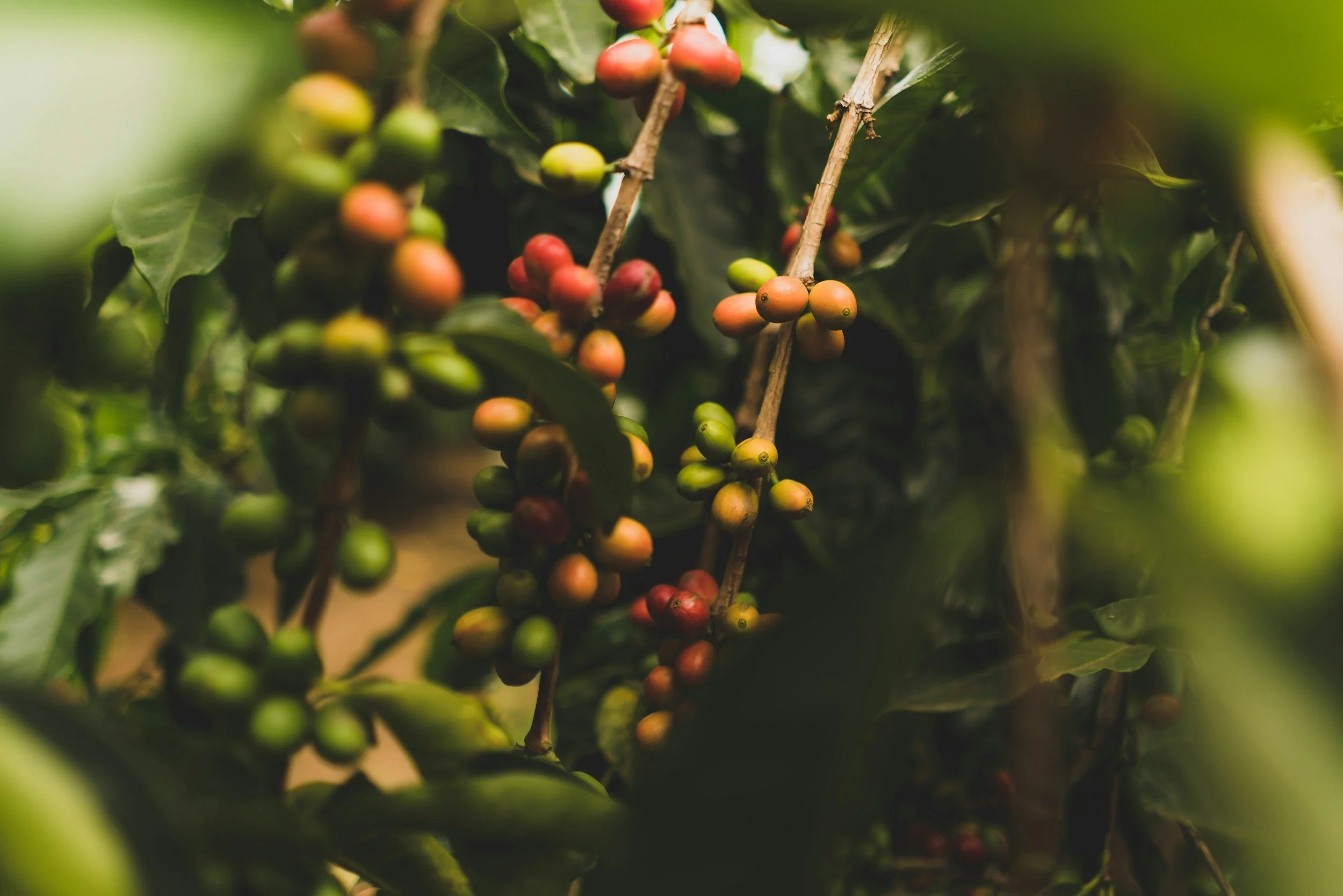
The Fascinating History of Coffee: From Ancient Origins to Global Culture
Coffee is one of the most widely loved drinks on the planet, but behind every cup is a long story that crosses mountains, deserts, oceans, and centuries. From mysterious berries in the Ethiopian highlands to chic espresso bars in modern cities, the history of coffee is really a story about trade, faith, politics, and people.

Coffee and Revolution: 10 Surprising Ways This Drink Shaped Political Uprisings
Coffee and revolution have shared a fascinating bond for centuries. Discover how this beloved brew fueled political change and transformed societies.